How to Get a Dead Car Out of a Garage or Backyard
By Junk Cars Gary · Updated
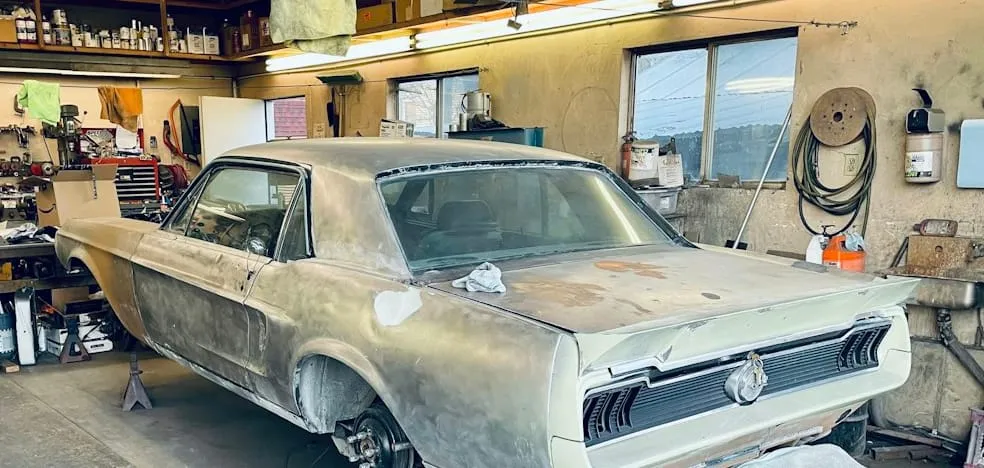
To get a dead car out of a garage, get it into neutral, make sure the tires hold air and the brake is off, measure the way out, and let a tow truck with the right setup pull it. Don't push it alone. This checklist is what to do before the truck comes, and what to tell whoever is picking it up.
How do you move a dead car out of a garage?
- Find the shift-lock release and put the car in neutral. The owner’s manual shows where it is.
- Release the parking brake and check that the wheels turn.
- Check the tires hold air. Note any that are flat.
- Measure the door opening and clear a straight path out.
- Never push it alone or down a slope.
- Tell the buyer if it can’t roll or steer, so the right truck comes.
Each of these takes a few minutes. Together they decide whether the pickup is a quick winch or a long afternoon.
Will it roll?
A car only rolls when three things are true: it’s out of park, the parking brake is off, and nothing is seized.
Neutral with a dead battery. An automatic that’s stuck in park usually has a shift-lock release near the shifter: a small slot, cap or button you press with a key or a screwdriver while moving the lever. Every model hides it somewhere different, so check the owner’s manual rather than prying at the console. Manual transmissions are simpler: clutch in, shift to neutral.
The parking brake. Release it. If the car sat for a long time, the brake can stay stuck even with the handle down. You’ll know when the car won’t budge in neutral on flat ground.
The steering. With the key in the ignition turned to the first position, the steering wheel should unlock. Without the key, the front wheels stay wherever they were left, which matters in a tight garage.
Tires and wheels
Walk around the car. Flat tires are common on cars that have been parked a long time, and they don’t stop a pickup. They change it: a car on flat tires drags instead of rolling. If you can add air with a portable compressor, it often helps. If a tire won’t hold air, or a wheel is off the car entirely (a car on jack stands, say), tell the buyer before anyone shows up.
Measuring the way out
Garages built decades ago were built for smaller cars. Measure:
- The door opening, side to side, against the car’s width with the mirrors
- The distance to the street or alley, and whether the driveway is straight
- Anything in the path: shelving, bikes, a workbench, the lawnmower, the other car
Clear what you can. A truck can only winch a car in a straight line toward itself, so a clean path from the garage door to where the truck parks is worth more than any trick.
Backyards, grass and gravel
A car in a backyard adds the ground to the problem. Firm gravel is fine. Grass after rain, dirt and sand can swallow a tire, and a heavy car won’t roll across them in neutral. Say what the ground is like, how wide the side yard or gate is, and whether an alley reaches the back of the lot.
What not to do
- Don’t push it alone. A rolling car doesn’t stop when you do.
- Don’t push on a slope, even a slight driveway grade, without someone in the driver’s seat ready to brake.
- Don’t jump-start a flooded or wrecked car just to move it. Water and crash damage can make the electrical system dangerous.
- Don’t take the car apart first. Removing wheels or parts to make it lighter usually makes it harder to move, not easier.
What to tell the buyer before the truck comes
The pickup is planned from your description, so give the version you’d want if you were driving the truck: where the car is (garage, backyard, alley side), whether it rolls, whether it steers, which tires are flat, the door width, and what the ground is like.
At Junk Cars Gary we plan non-running car removal around exactly those answers, and our guide to which truck picks up a junk car explains why they matter.
Quick answers
What is the best way to move a car that won't start?
Put it in neutral, release the parking brake and have it pulled onto a tow truck with a winch. Pushing works on flat ground for a few feet with enough helpers, but a rolling car is hard to stop and easy to steer into a door frame.
How do you put a car in neutral when the battery is dead?
Most automatic cars have a shift-lock release, often a small slot or button near the shifter, that lets you move out of park without power. Your owner's manual shows where it is on your model.
Can a car with flat tires be pulled out of a garage?
Yes, but it drags, so it needs to be winched rather than rolled. Tell the buyer which tires are flat before the pickup.